Pakistan Urges UN to Regulate AI Use in Military
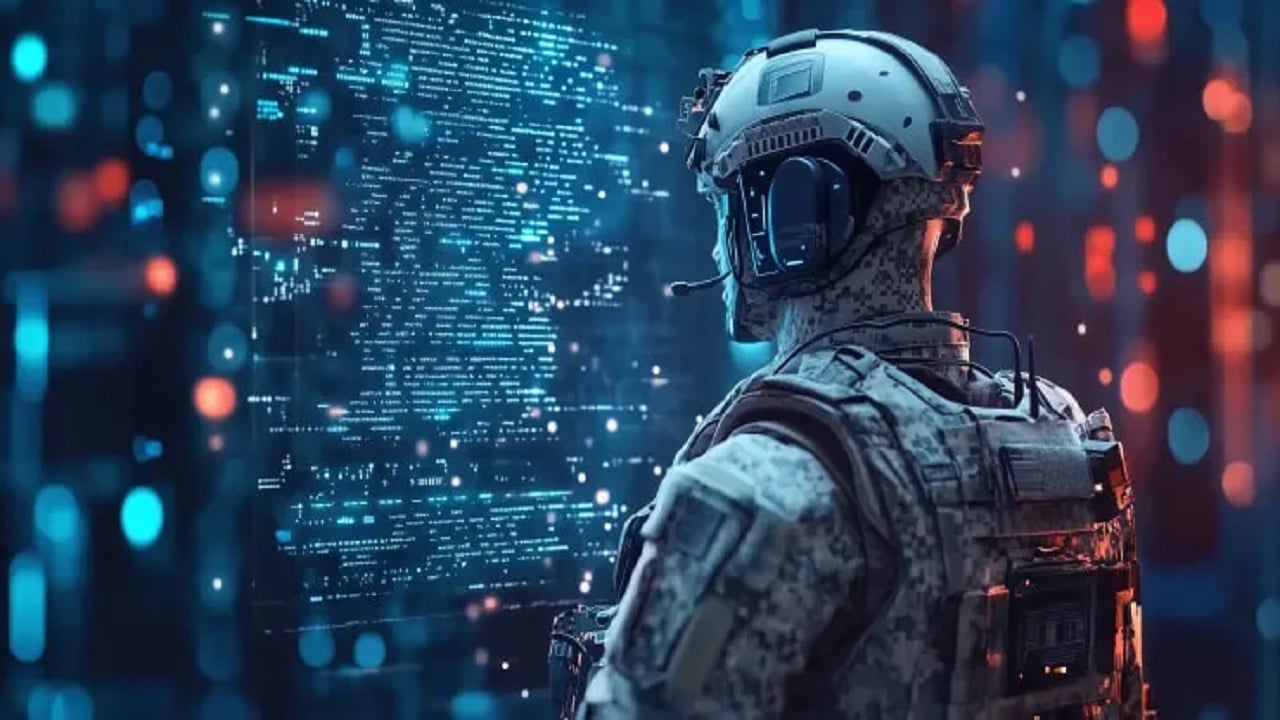
Pakistan has called on the United Nations to regulate the use of Artificial Intelligence (AI) in the military. The demand was made with a special focus on preventing AI’s military misuse. Officials warned that AI must not become a tool of coercion or monopoly.
Defence Minister Khawaja Muhammad Asif made this call at a high-level debate during the 80th UN General Assembly in New York. The session was held under the agenda item of maintaining international peace and security. It was chaired by South Korea’s President Lee Jae Myung.
The Defence Minister said AI is one of the most powerful technologies today. But without proper control, it could destabilise global security. He warned that AI may lower the threshold for war by making military action quicker and easier.
Pakistan Urges UN to Regulate AI Use in Military
Asif added that applications without human control should be prohibited. He cautioned that unregulated use of AI enables cyberattacks, disinformation campaigns, and new kinds of weapons. According to him, autonomous weapons and AI-driven command systems pose a grave danger to peace.
He also referred to past tensions between Pakistan and India. Asif noted that autonomous weapons and advanced missiles were used during military exchanges. He said this highlights how AI-driven warfare could threaten stability between nuclear powers.
Pakistan’s position reflects concerns shared by many developing nations. Countries in the Global South, including Indonesia and Brazil, have warned that unchecked AI development could increase inequalities. They fear that powerful states and big corporations will dominate AI, leaving others behind.
Earlier this year, the UN General Assembly passed a resolution on inclusive and fair AI governance. It stressed the need to bridge the digital divide.
UN Secretary-General Antonio Guterres also spoke at the debate. He said AI is no longer a distant future but a present reality. It is transforming daily life, the economy, and global information systems.
While recognising AI’s benefits in areas such as food security and conflict prevention, he warned of its potential dangers. He said that without rules, AI could be weaponised.
Guterres urged governments to ensure that humans always retain authority in life-and-death decisions. He called for a ban on autonomous lethal weapons without human control. He also said that nuclear weapon use must always remain in human hands.
See Also: Delays in key IT Ministry Projects Cast Doubt Over PM Shehbaz’s Digital Pakistan Vision
“The window is closing to shape AI for peace and humanity,” he warned. “We must act without delay.”
Experts at the session also pointed out another problem. Yejin Choi, a senior fellow at Stanford University, said AI development is currently limited to a few companies and countries. She argued this creates inequality and leaves many nations behind.
Choi called for investment in smaller, adaptable AI systems that are easier to use. She also highlighted the lack of cultural and linguistic diversity in AI models, which often underperform in non-English languages.
Pakistan’s National AI Policy
Pakistan is also working on its own AI future. In July, the federal cabinet approved the National AI Policy 2025. The plan includes training one million AI professionals by 2030 and creating local AI products.
Prime Minister Shehbaz Sharif said the country’s youth are its biggest strength. He emphasised that providing education and opportunities in AI is a top priority.
Mobile Phone Taxes Portal
Find the PTA Taxes on All Phones on a Single Page using our Taxes Portal.
Note: Mobile phone tax rates and calculations fall under the jurisdiction of the Federal Board of Revenue (FBR), not the Pakistan Telecommunication Authority (PTA).
Explore NowFollow us on Google News!